
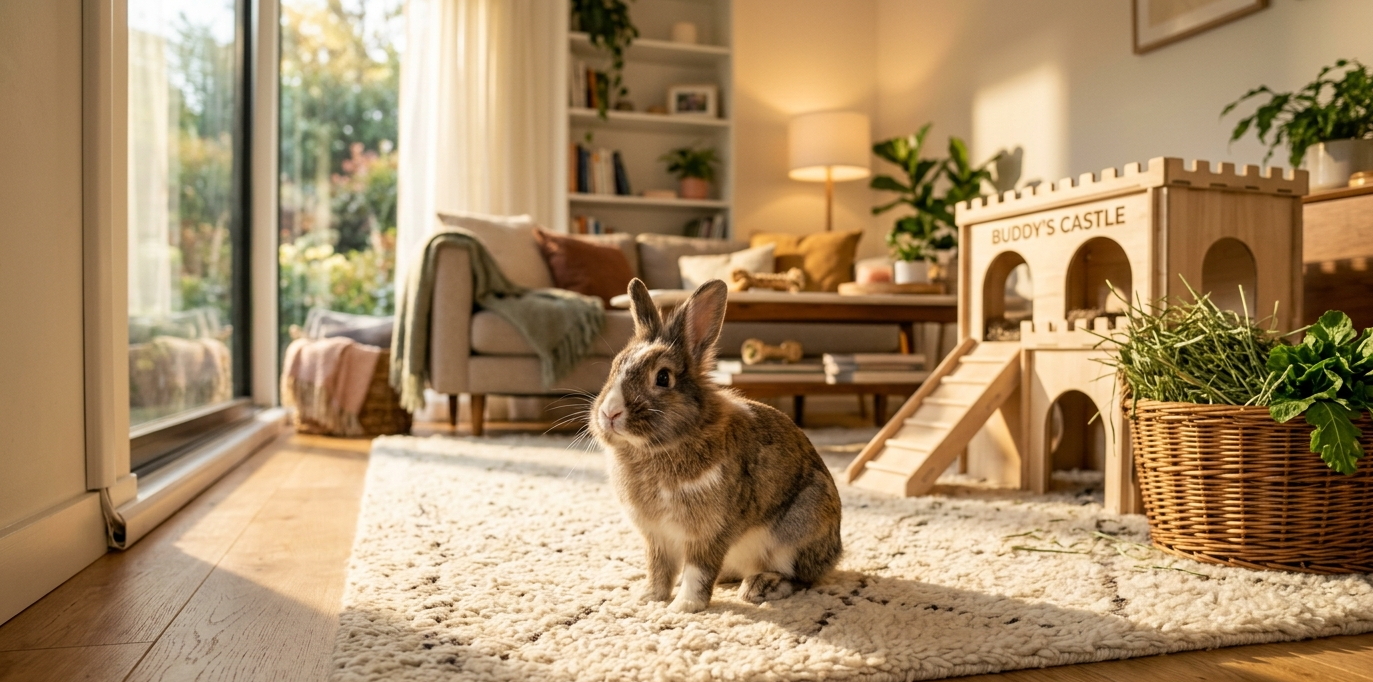
Most people think rabbits only live 2 to 3 years. That belief has kept countless bunny parents from making the commitment their pets truly deserve. The truth is, a well-cared-for domestic rabbit can live 10, 12, or even 14 years. Rabbits are long-term companions, not short-lived starter pets. This guide breaks down everything you need to know, from indoor vs. outdoor lifespans to breed differences, health risks, and how to help your rabbit live a long, happy life.
| Quick AnswerIndoor rabbits typically live 8 to 12 years, with many reaching their early teens when well cared for. Outdoor rabbits, on the other hand, average just 2 to 5 years due to predators, weather, and stress. The environment you provide plays the biggest role in how long your rabbit lives. |
The Longevity Revolution: Why Rabbits Are Living Longer Today

Twenty years ago, a rabbit reaching age 6 was considered old. Today, rabbits routinely live well into their teens. This shift is not accidental. Better veterinary care, improved nutrition knowledge, and a deeper understanding of rabbit behavior have all played a role. More importantly, rabbit owners now know that keeping a bunny indoors, spaying or neutering them, and finding an exotic-animal vet makes a massive difference in how long they live. The rabbits living the shortest lives today are those still kept in outdoor hutches on pellets and carrots. The ones living longest are treated as the intelligent, social animals they truly are.
The Great Divide: Indoor vs. Outdoor Lifespan

Indoor Living: The Safety of the Living Room (8 to 12+ Years)
Indoor rabbits are protected from the biggest threats to their lives. No predators. No extreme weather. No isolation. When a rabbit lives inside your home, you also notice health changes much faster. A rabbit that stops eating or seems lethargic gets attention right away, not the next morning when you go outside to feed them. Indoor rabbits also bond more deeply with their owners. That bond motivates better care, more playtime, and quicker trips to the vet when something seems off.
Outdoor Living: Why the Hutch Lifestyle is a Risk (2 to 5 Years)
Outdoor rabbits face dangers that are hard to eliminate entirely. Even if a predator never breaks into the hutch, the smell or sight of a fox, cat, or dog nearby can cause a rabbit to die from cardiac arrest due to sheer fear. Temperature extremes are another serious concern. Rabbits are sensitive to heat above 85 degrees Fahrenheit and can suffer in freezing conditions. Isolation is also a silent killer. Rabbits are social animals. A rabbit kept alone in a hutch with minimal interaction is a stressed, unhappy animal, and chronic stress shortens their lifespan significantly.
The Hidden Stressors That Cut Years Off a Rabbit’s Life

Stress in rabbits is not always obvious. It does not look like a dog panting or a cat hissing. Stressed rabbits often simply sit quietly, stop grooming, eat less, and slowly decline. Common hidden stressors include loud environments, being handled too roughly, lack of hiding spots, and unpredictable daily routines. Addressing these environmental factors is one of the most underrated things a rabbit owner can do to extend their pet’s life.
Rabbit Lifespan by Breed

Not all rabbits age the same way. Breed and size both play a significant role in determining how many years you can expect with your bunny.
| Breed | Size | Average Lifespan |
| Netherland Dwarf | Small (2 lbs) | 10 to 12 years |
| Holland Lop | Small (4 lbs) | 10 to 12 years |
| Mini Lop | Small-Medium (6 lbs) | 10 to 14 years |
| Lionhead | Small (4 lbs) | 8 to 10 years |
| Rex | Medium (9 lbs) | 8 to 11 years |
| French Lop | Large (10 to 15 lbs) | 5 to 8 years |
| Flemish Giant | Giant (14+ lbs) | 5 to 8 years |
| Mixed Breed | Varies | 9 to 12 years |
Small and Dwarf Breeds: Netherland Dwarf and Holland Lop
Small breeds like the Netherland Dwarf and Holland Lop are among the longest-lived rabbits. Their compact bodies tend to experience less strain on organs and joints over time. The Netherland Dwarf, one of the smallest breeds, regularly reaches 10 to 12 years with proper care. Their tiny size does come with some dental challenges, but overall their longevity is impressive. Holland Lops are equally long-lived and are one of the most popular breeds in the USA. Their calm temperament also means they handle stress better, which contributes to a longer life.
Large and Giant Breeds: Flemish Giant and French Lop
Giant breeds like the Flemish Giant and French Lop have shorter lifespans, typically 5 to 8 years. This mirrors patterns seen in dogs, where larger breeds age faster than smaller ones. Their larger bodies put more strain on the heart, joints, and digestive system. This does not mean they are fragile. With proper care, many giant breed rabbits live healthy, active lives well into their late years. Owners of giant breeds should pay especially close attention to weight management and joint health as their rabbit ages.
Does Size Matter? The Biological Link Between Size and Age
In most mammals, larger body size correlates with a shorter lifespan relative to smaller members of the same species. Rabbits follow this pattern. Smaller breeds have slower metabolic rates relative to body size in their later years, which means less cellular wear and tear over time. That said, genetics, diet, and care quality can significantly extend or shorten a rabbit’s life regardless of breed.
The 5 Pillars of Rabbit Longevity

1. Specialized Nutrition: The 80/15/5 Rule
The biggest misconception about rabbit diet is that carrots and pellets are enough. They are not. A healthy rabbit diet follows the 80/15/5 rule. Roughly 80% of their diet should be unlimited fresh timothy hay, which keeps their gut moving and their teeth worn down naturally. About 15% should come from leafy greens such as romaine lettuce, cilantro, parsley, and kale. The remaining 5% can include a small amount of high-quality pellets. Carrots and fruit are treats, not staples. Too much sugar leads to obesity and GI problems, both of which shorten a rabbit’s life.
2. Spaying and Neutering: A Medical Necessity
Unspayed female rabbits have an extremely high risk of developing uterine cancer. Studies suggest that up to 80% of unspayed does will develop reproductive cancers by age 5. Spaying eliminates this risk entirely. It also reduces hormone-driven stress behaviors that can harm a rabbit’s quality of life. Neutering males reduces aggression and territorial marking, which makes them calmer and easier to bond with another rabbit, another factor that positively affects lifespan. Most vets recommend spaying or neutering between 4 and 6 months of age, once the rabbit has reached sexual maturity.
3. Mental Stimulation: Why Boredom is a Silent Killer

Rabbits are highly intelligent animals. A bored rabbit is an anxious rabbit, and chronic anxiety translates directly into a shorter, lower-quality life. Enrichment does not need to be expensive. Cardboard boxes, tunnels, paper bags to rip apart, and foraging toys all keep a rabbit mentally active. Spending time with your rabbit daily, letting them explore different rooms safely, and providing a bonded companion rabbit all contribute to their mental wellbeing. A mentally stimulated rabbit eats better, moves more, and handles illness with more resilience than one that spends its days sitting alone in a cage.
4. Environmental Safety: Rabbit-Proofing Your Home
Rabbits chew everything. Electrical cords, baseboards, toxic houseplants, carpet edges, and even certain furniture materials pose real dangers. Before giving your rabbit free-roam access, inspect every area they can reach. Cover or hide electrical cords with cord covers or PVC tubing. Remove plants that are toxic to rabbits, including lilies, pothos, and aloe vera. Provide safe chew toys and wooden blocks as alternatives. A rabbit-proofed home is not just about protecting your belongings. It is about preventing accidents that could end your rabbit’s life prematurely.
5. Preventive Veterinary Care: Finding an Exotic Vet in the USA
This is one area where rabbit owners often fall short. Many standard veterinarians have limited training in rabbit medicine. Rabbits are classified as exotic animals, and finding a vet who specializes in them makes a genuine difference. Look for vets certified by the Association of Exotic Mammal Veterinarians (AEMV) or ask your local rabbit rescue organization for referrals. Annual wellness exams allow for early detection of dental problems, weight changes, and organ issues before they become life-threatening. In the USA, the RHDV2 (Rabbit Hemorrhagic Disease Virus 2) vaccine is now available in some states. Discuss vaccination options with your exotic vet, especially if your rabbit has any outdoor access.
Common Health Hazards and Silent Killers

GI Stasis: Recognizing the Signs Before It Is Too Late
Gastrointestinal stasis is the number one emergency health issue in rabbits. Unlike dogs and cats, rabbits cannot go without food for more than a few hours without serious consequences. A rabbit gut that stops moving becomes life-threatening within 24 hours.
Watch for these warning signs:
- No droppings or very small, misshapen droppings
- Refusal to eat or drink
- Hunched posture or pressing the belly to the ground
- Bloated or hard abdomen
- Tooth grinding, which signals pain
. GI stasis is treatable when caught early but fatal if ignored.
Dental Issues: How Malocclusion Affects Lifespan

Rabbit teeth grow continuously throughout their lives. When teeth do not align properly, a condition called malocclusion develops. Malocclusion causes sharp spurs to form on the back teeth, which cut into the tongue and cheeks. Affected rabbits stop eating because it is painful, leading to GI stasis and rapid weight loss. Regular hay consumption naturally wears teeth down and prevents many dental problems. Annual dental checks by your exotic vet catch issues before they become emergencies.
Obesity: The Growing Epidemic in Pet Rabbits
Obesity is becoming increasingly common in domestic rabbits, largely due to pellet-heavy diets and insufficient exercise. An overweight rabbit is at higher risk for heart disease, fatty liver disease, GI stasis, and joint problems. They also struggle to groom themselves properly, which leads to skin and fur issues. The fix is straightforward: reduce pellets, increase hay, offer daily exercise time outside of the cage, and avoid starchy treats.
Caring for Your Senior Rabbit (Age 7 and Older)

A rabbit reaching age 7 is entering their senior years. They may slow down, sleep more, and show less interest in intense play. This is normal, but it also means they need more attentive care.
Mobility Changes: Arthritis and Non-Slip Flooring
Arthritis is common in senior rabbits and often goes unnoticed because rabbits hide pain instinctively. Signs of arthritis include reluctance to jump, difficulty grooming the lower back, and a slight change in how the rabbit sits or moves. Place non-slip rugs or yoga mats in areas where your rabbit walks. Lower the entry point on their litter box so they do not need to step high to get in. These small changes make a significant difference in their daily comfort.
Vision and Hearing Loss: Communicating With a Senior Rabbit
Senior rabbits may develop cataracts or experience gradual hearing loss. This can make them more easily startled and sometimes more anxious. Approach your senior rabbit slowly and from a direction where they can see you. Avoid picking them up suddenly. Maintain a consistent daily routine so they always know what to expect. Familiar scents and your voice become increasingly important for a rabbit with reduced vision or hearing.
Dietary Adjustments for Senior Rabbits
Senior rabbits should move away from alfalfa hay, which is high in calcium and protein and better suited for young, growing rabbits. Timothy hay remains the best choice for adult and senior rabbits. Reduce pellets further, as senior rabbits need fewer calories due to their decreased activity. If your senior rabbit begins losing weight, discuss senior-specific pellets or supplements with your exotic vet. Some older rabbits need extra support to maintain a healthy weight.
People Also Ask
What Is the Oldest Rabbit on Record?
The oldest rabbit on record was a wild rabbit named Flopsy from Australia, who lived to 18 years and 10 months. Guinness World Records officially recognized this achievement. Among domestic rabbits, several individuals have reportedly lived past 16 years, though not all have been formally documented.
Can a Rabbit Live for 15 Years?
Yes, it is possible. While 15 years is exceptional, it is not unheard of. Rabbits that are spayed or neutered early, kept indoors, fed a hay-based diet, and given regular veterinary care have the best chance of reaching this milestone. Genetics and breed also play a role. Small breeds tend to reach these ages more commonly than giant breeds.
Do Rabbits Get Lonely if Their Partner Dies?
Rabbits form deep bonds with their companions, both human and animal. When a bonded partner dies, the surviving rabbit can grieve. Signs include reduced appetite, lethargy, searching behaviors, and sitting near where their companion used to rest. Allow the surviving rabbit to spend a short time with the deceased companion so they can process the loss in their own way. Monitor them closely for signs of depression and consult your vet if they stop eating. Many rabbit owners choose to bond their surviving rabbit with a new companion after a grieving period. The timeline varies for each rabbit.
Conclusion: Your Commitment to Their Decade
Rabbits are not beginner pets with short lifespans. They are decade-long companions who need your commitment, your attention, and your willingness to learn what they truly need. When you provide a safe indoor environment, a hay-rich diet, regular exotic vet care, and daily interaction, you give your rabbit every chance to live a long, healthy life. A rabbit that reaches 10 or 12 years is not lucky. It is the result of consistent, informed care by an owner who took the time to understand them.