The Complete Growth & Size Guide
Editor’s Note: This comprehensive guide has been updated with the latest veterinary insights on rabbit health and development. Our goal is to provide you with the most accurate, actionable information to help you manage your Lionhead rabbit’s growth and maintain their ideal weight.
Quick Answer: A purebred adult Lionhead rabbit weighs 2.5 to 3.75 lbs and measures 8 to 10 inches in body length. When tracking how big do loin heads rabbit get, they generally reach this full size at around 10 to 12 months. Their thick, fluffy mane can also make them look much larger than they actually are.
Official Size Standards

According to official breed standards, a mature Lionhead rabbit is a compact and small pet, typically weighing between 2.5 and 3.75 lbs. Their maximum weight limit ensures they maintain their signature petite stature, with a body length usually measuring between 8 and 10 inches. Regular monitoring helps ensure they stay within these healthy, breed-approved boundaries.
ARBA (USA) vs. BRC (UK)

Under ARBA and BRC guidelines, Lionheads have a maximum weight limit of 3.75 lbs. To see exactly how big do loin heads rabbit get on average, they typically stay between 2.5 and 3.75 lbs. Keeping them within this compact size requires a healthy diet, so it is important to learn what vegetables should rabbits eat to prevent obesity.
Average Measurements

- Body length: 8 to 10 inches (nose to tail)
- Height at shoulder: 3 to 4 inches when sitting
- Ear length: 2 to 3 inches (upright ears)
In body size, an adult Lionhead is roughly comparable to a large guinea pig. The mane can add the visual illusion of 1 to 2 extra inches around the head.
Growth Timeline: From Kit to Adult

Birth to 8 Weeks

Lionhead kits are born hairless, weighing just 1 to 1.5 ounces. Eyes open around day 10 to 12. At 3 to 4 weeks, double mane kits develop a distinctive fluffy “skirt” around their entire body a useful early indicator of mane genetics. By 8 weeks, healthy kits weigh approximately 8 to 12 ounces.
2 to 6 Months: Rapid Growth

This is the fastest growth window of a Lionhead’s life. Skeletal development accelerates quickly and the mane transitions from kit wool to adult wool.
| Age | Weight (lbs) | Weight (grams) |
| 2 months | 0.5 to 0.75 | 225 to 340 |
| 3 months | 0.9 to 1.3 | 410 to 590 |
| 4 months | 1.4 to1.9 | 635 to 860 |
| 5 months | 1.9 to 2.5 | 860 to 1,100 |
| 6 months | 2.3 to 3.0 | 1,000 to 1,360 |
6 to 12 Months: Filling Out

Growth slows noticeably at 6 months, but the rabbit is not finished. Muscles develop, the chest broadens, and fat reserves stabilize. This is also when the diet should transition from alfalfa hay to timothy hay. A Lionhead is considered fully grown at 10 to 12 months.
The Mane Factor

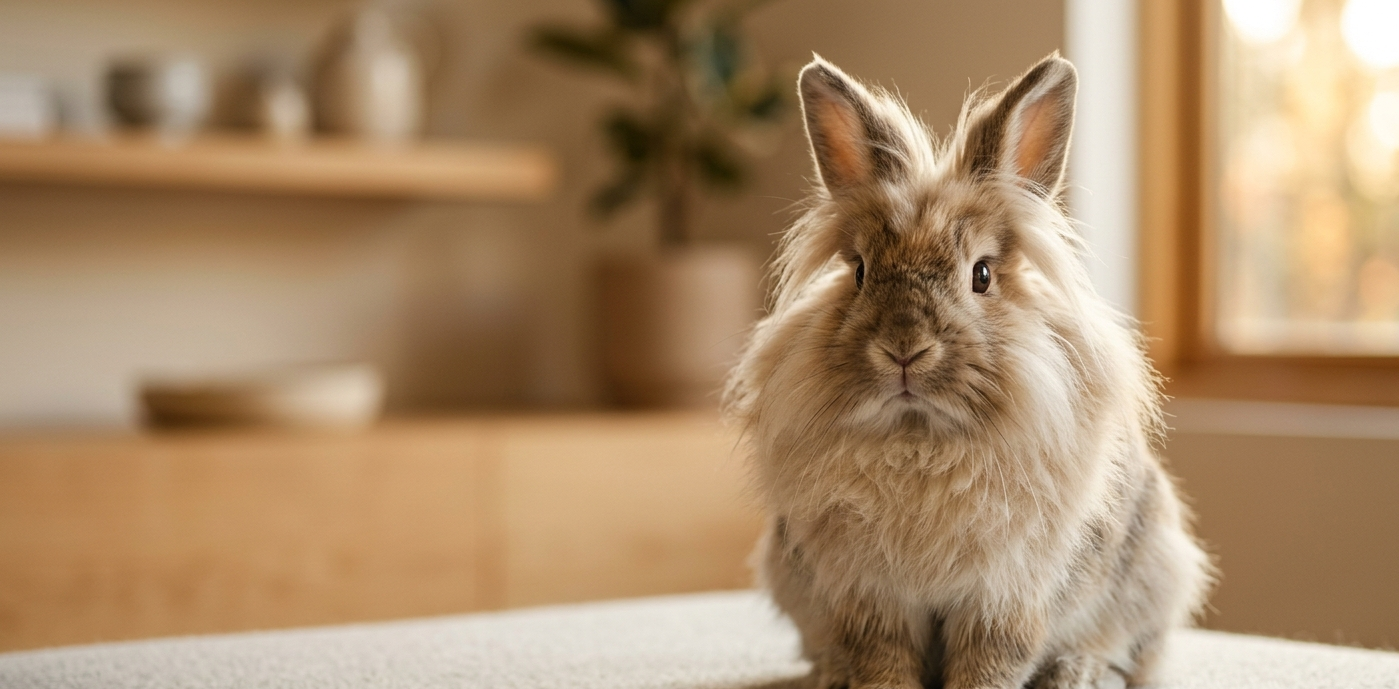
The signature feature of this breed is its fluffy wool mane, which circles the head like a lion. When looking at how big do loin heads rabbit get, the density of this fur can create an optical illusion, making the rabbit appear much larger than its actual 2.5 to 3.75 lbs weight. To keep their unique coat healthy and prevent digestive issues from grooming, it is vital to know what vegetables should rabbits eat alongside their daily hay
Single vs. Double Mane Genetics

The Lionhead’s mane is controlled by a single gene locus (Hl).
- Single Mane (Hl/hl): One copy of the mane gene. The mane circles the head with a slight chest skirt. It often thins after the first molt.
- Double Mane (Hl/Hl): Two copies. A thick, lion-like mane circles the entire head, with a full chest skirt and extra-long flank wool. These rabbits can appear 30 to 40% larger than their actual weight.
- No Mane (hl/hl): No mane at all. Does not meet show standards but makes a perfectly fine pet.
When two double mane Lionheads are bred together, approximately 25% of offspring will carry no mane gene a reality all Lionhead breeders must plan for.
Why Fur Deceives the Eye

A double-mane Lionhead in full coat can look like it weighs 5–6 lbs to an unfamiliar observer. When picked up, the lightness is genuinely surprising. The mane wool is exceptionally fine and fluffy, trapping air and creating massive visual volume with very little mass. Never estimate a Lionhead’s weight by appearance always use a kitchen scale.
Factors Affecting Final Size

While genetics provide the basic blueprint for your Lionhead rabbit’s adult frame, their ultimate size and body condition are heavily shaped by a mix of biological and environmental influences. From their daily diet and underlying lineage to unexpected variables like lifestyle setups and metabolic shifts as they age, understanding these elements is key to keeping your mini lion at a healthy, breed-approved weight
Genetics and Lineage

The single most significant predictor of adult size is lineage. When evaluating how big do loin heads rabbit get, a rabbit from a line of 2.8 lb show animals will likely stay near that weight. Ask breeders for parent records, and be cautious with outcrossed lines that carry mixed size genes.
Diet: Alfalfa vs. Timothy Hay

Diet is the most modifiable factor in a young rabbit’s growth.
- Alfalfa hay (under 6 months): High in protein and calcium, essential for bone development. Feeding it to adults leads to weight gain and dangerous urinary calcium deposits.
- Timothy hay (6 months and older): High in fiber, low in protein. Promotes gut health and prevents obesity. Switch at 6 months as growth tapers off.
Gender Differences

Does (females) typically run slightly heavier than bucks (males), usually by 0.2 to 0.4 lbs, due to reproductive anatomy. Bucks average 2.5 to 3.4 lbs; does average 2.7 to 3.75 lbs.
Spaying and Neutering

Fixing a rabbit before 6 months (before growth plates close) can result in a slightly larger frame. More practically, fixed rabbits are less active and more prone to weight gain post-surgery. Monitor food intake carefully and ensure adequate exercise space.
Why Is My Lionhead Over 4 Pounds?

The most likely explanation: your rabbit is not a purebred Lionhead. Pet stores often sell rabbits as Lionheads based on the mane alone, regardless of breed purity. Common mixes include:
| Mix | Typical Weight | Tell Tale Signs |
| Lionhead x Dutch | 4.5 to 6 lbs | White blaze on face, stocky body |
| Lionhead x Mini Lop | 4 to 6 lbs | Lopped or semi ,lopped ears |
| Lionhead x Holland Lop | 4 to 6 lbs | Very rounded head, heavy frame |
| Lionhead x Jersey Wooly | 3 to 5 lbs | Similar wool type, slightly larger |
| Lionhead x Rex | 5 to 7 lbs | Velvety coat with mane wisps |
Signs of mixed heritage include: weight over 4 lbs at 12 months, lopped or semi-lopped ears, a long body, Rex-type velvety fur, or a thin/absent mane. The only definitive confirmation is ARBA registration papers or a rabbit DNA test (available from companies like My Pet and Me or Orivet).
Breed Size Comparison

| Breed | Weight | Length | Body Type | Best For |
| Lionhead | 2.5 to 3.75 lbs | 8–10 in | Compact, round | Families, apartments |
| Netherland Dwarf | 1.1 to 2.5 lbs | 7–9 in | Compact, round | Experienced owners |
| Mini Lop | 4.5 to 6.5 lbs | 10–12 in | Compact, muscular | First time owners |
| Holland Lop | 2 to 4 lbs | 9–11 in | Compact, broad | Families |
| Jersey Wooly | 1 to 3 lbs | 8–9 in | Compact, blocky | Show, experienced |
The Lionhead sits in a sweet spot: small enough for apartment living, but more robust than the Netherland Dwarf making it a bit hardier and more manageable for families with young children.
Health & Weight Management

Maintaining a healthy weight is one of the most critical aspects of caring for a compact breed like the Lionhead. Because their small skeletal frames are highly sensitive to sudden changes, even a slight shift in body mass can trigger or signal major internal health complications. Balancing a fiber-rich diet with vigilant tracking is the best way to safeguard your rabbit against breed specific vulnerabilities and ensure they live a long, comfortable life.
Common Health Issues

- GI Stasis: This fatal condition occurs when digestion stops, causing a hunched posture and bloating. When tracking how big do loin heads rabbit get, ensure 80%+ of their diet is hay to prevent this veterinary emergency.
- Dental Disease: Common in compact-headed breeds. The short skull causes malocclusion and molar spurs. Watch for drooling, dropping food, or unexplained weight loss. Annual dental exams with a rabbit savvy vet are essential.
- Wool Block: Lionhead specific risk. Rabbits cannot vomit, so ingested fur accumulates in the GI tract. Prevent with regular grooming and unlimited timothy hay.
- Ear Mites: The dense mane traps debris, hiding ear issues. When monitoring how big do loin heads rabbit get, check their ears monthly for dark, crusty buildup resembling coffee grounds.
Daily Feeding Guide (3 lb adult)

- Unlimited timothy hay non negotiable, the foundation of every meal
- 1/8 cup high quality pellets (reduce if overweight)
- 1–2 cups fresh leafy greens (romaine, cilantro, parsley)
- Treats (fruit, carrots): no more than 1 teaspoon per day
Target weight: 2.75 to 3.5 lbs. Weigh monthly with a kitchen scale. Avoid iceberg lettuce and high-sugar fruits as regular food items.
Grooming & Body Condition

Grooming is a health necessity, especially for a double mane Lionhead that needs frequent brushing to prevent painful mats. When tracking how big do loin heads rabbit get, a thick, matted coat can easily hide dangerous weight loss, so you should always feel their spine directly rather than judging by appearance alone. Keeping them healthy also requires the right diet, so make sure to check what vegetables should rabbits eat to support their overall well being.
Housing & Space

- Lionheads should be kept indoors. Their manes trap moisture and debris, making them far more vulnerable to fly strike and skin infections than short-haired breeds.
- Temperature: Keep between 65 to 75°F (18–24°C). Temperatures over 85°F (29°C) can cause fatal heat stroke dense mane wool makes them extra susceptible.
- Minimum enclosure: 4 × 2 feet of floor space. The House Rabbit Society recommends at least 24 sq ft of daily exercise space.
- Flooring: Never use wire-bottom cages they cause painful sore hocks. Use solid-bottom enclosures lined with paper bedding, fleece, or grass mats.
- Enrichment: Cardboard tunnels and wood chews prevent boredom. When managing how big do loin heads rabbit get in terms of their active space, proper toys stop destructive chewing.
Hidden Factors Influencing Lionhead Rabbit Growth

While official breed standards set a baseline weight of up to 3.75 lbs, a Lionhead rabbit’s adult size isn’t entirely set in stone by genetics or diet alone. Several everyday environmental variables play a significant role in shaping their final body condition and overall physical development.
Indoor vs. Outdoor Lifestyle Impact

Indoor Lionhead rabbits often experience different weight trajectories compared to those kept in outdoor setups. Inside a home, the climate is stable and predictable, meaning rabbits expend far fewer calories trying to regulate their body temperature. Without designated daily free-roam time, a house bunny’s small frame can quickly begin accumulating excess fat reserves instead of building lean muscle.
Metabolism and the Aging Process

As Lionhead rabbits cross from adolescence into their second and third years of life, their metabolic rate naturally slows down. A rabbit that appeared perfectly lean and compact at 12 months old can easily become sedentary as it ages. As maturity sets in, shifting the focus from structural growth to strict portion control and active lifestyle management becomes vital to preventing middle-age obesity.
Practical Methods to Monitor Size and Weight

Because the Lionhead’s signature wool mane creates a massive visual volume, judging your rabbit’s actual size by appearance alone is practically impossible. Experienced rabbit savvy vets recommend two main hands-on approaches to track their physical condition accurately.
Using the Body Condition Score (BCS)

The Body Condition Score is a tactile evaluation system used by professionals to check a rabbit’s fat-to-muscle ratio through physical touch rather than sight.
- Underweight: If the spine and hip bones feel sharp, prominent, and lack any cushioning when you run your hands over them, the rabbit is too thin.
- Ideal Weight: You should easily feel the ribs and spine under a light layer of fat, but the bones should feel rounded rather than sharp.
- Overweight: If you have to press down firmly to even locate the ribcage beneath a thick layer of fat, your Lionhead is entering the danger zone for obesity.
The Regular Kitchen Scale Ritual

Make it a habit to weigh your Lionhead on a digital kitchen scale once a month. Keeping a written log of their weight in ounces or grams allows you to spot sudden trends. Gradual weight loss or rapid gain is often the very first indicator of underlying dental issues or GI problems before physical symptoms even manifest.
The Role of Exercise in Maintaining an Ideal Stature

A Lionhead rabbit confined to a small cage or standard hutch will rarely maintain a healthy body structure. To build strong bones and keep their compact muscles toned, daily physical exertion is a mandatory requirement.
Daily Free Roaming Requirements

According to the House Rabbit Society, a Lionhead requires a bare minimum of 4 to 5 hours of out of cage exercise every single day. Continuous movement keeps their highly sensitive gastrointestinal tract active and moving. This physical stimulation is the single best natural defense against both weight gain and life-threatening Gastrointestinal (GI) Stasis.
Cardio Activities and Enrichment Toys

To encourage your compact rabbit to burn calories, design an interactive environment that forces them to move. Useful enrichment tools include:
- Cardboard Tunnels: Excellent for encouraging natural hopping, hiding, and darting behaviors.
- Wooden Chew Blocks: These promote physical tossing and chewing, keeping their minds sharp and bodies active.
- Food Puzzles: Forcing your rabbit to forage or work for their daily pellets or leafy greens turns mealtime into a calorie-burning workout, keeping their mini-lion physique perfectly balanced.
Frequently Asked Questions
How Big Do Lionhead Rabbits Get?
A purebred ARBA Lionhead reaches 2.5 to 3.75 lbs as an adult, with an ideal show weight of 3.0 lbs. Their body length is typically 8 to 10 inches. When wondering how big do loin heads rabbit get, remember that their signature wool mane can make them appear significantly larger than their actual physical weight.
When Is a Lionhead Rabbit Fully Grown?
Lionheads reach their full skeletal size around 6 to 7 months of age, but they will continue to fill out in body mass until they are 10 to 12 months old. If you are tracking how big do loin heads rabbit get over time, most breeders consider them completely mature and fully grown at one year.
How Can I Tell if My Lionhead Is Overweight?
Weigh your pet monthly with a kitchen scale, targeting a healthy 2.75 to 3.5 lbs. To check how big do loin heads rabbit get in terms of body condition, part the fur and feel for the spine and hip bones; a gentle ridge is normal, but if you cannot feel the bones at all through the fat, the rabbit is overweight.
Do Lionhead Rabbits Stay Small Their Whole Lives?
Yes, purebred Lionheads are a permanently small breed and do not grow any further after 12 months. When evaluating how big do loin heads rabbit get, they should stay within their compact breed standard; any significant weight gain after their first birthday indicates a dietary or health issue rather than normal development.
Conclusion
Lionhead rabbits are compact pets weighing 2.5 to 3.75 pounds that reach full size at 10 to 12 months. When tracking how big do loin heads rabbit get, remember their fluffy mane creates a visual illusion, so always monitor their growth using a scale rather than your eyes. To ensure your mini lion stays healthy throughout its 8 to 12 year lifespan, combine regular grooming with a proper diet, making sure to learn what vegetables should rabbits eat alongside their unlimited timothy hay..
About the Author (ZIB): As a long time pet enthusiast and blogger specializing in small mammals, I have spent years studying the unique care requirements of dwarf and fancy rabbit breeds. This guide breaks down Lionhead genetics and environmental factors to help you raise a healthy, thriving bunny.