
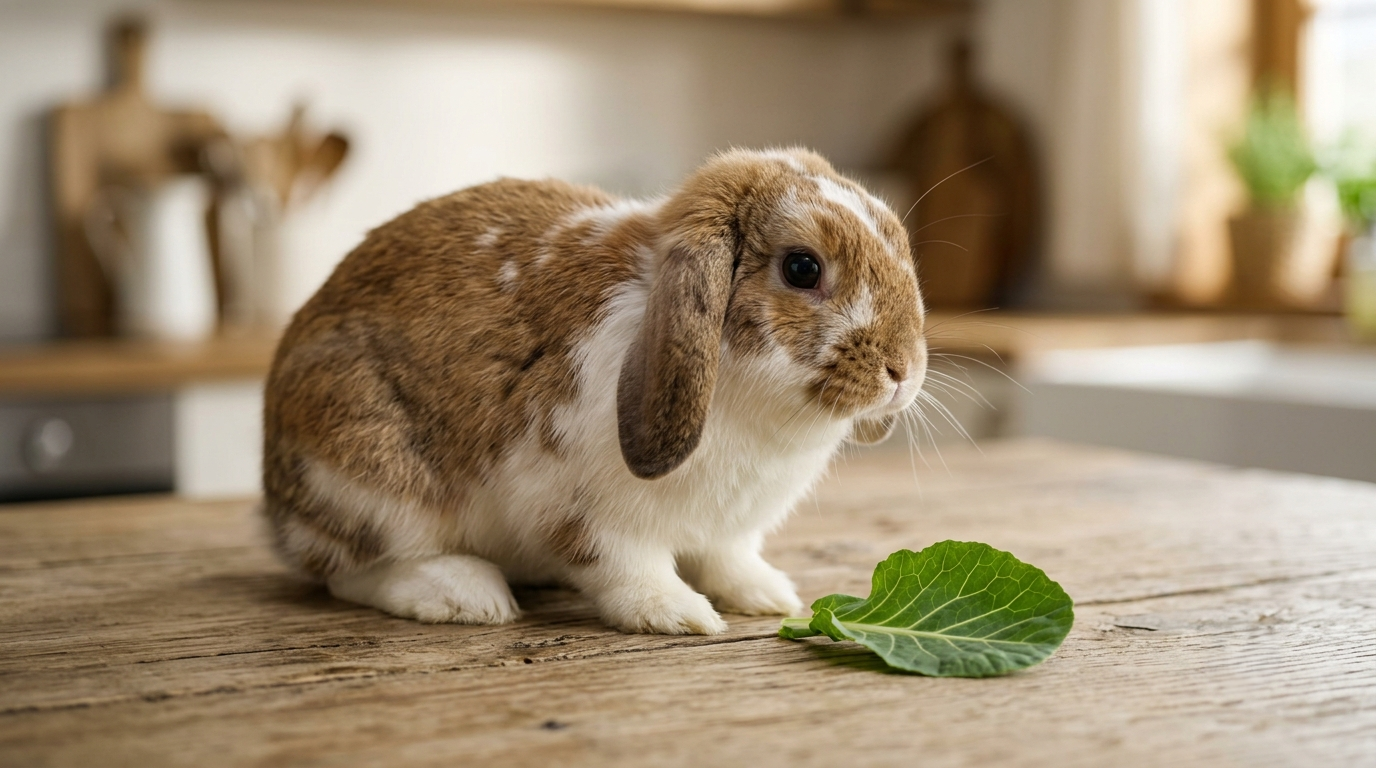
Can Rabbits Eat Collard Greens
| Quick Answer:Yes, rabbits can eat collard greens, but only in strict moderation. Collard greens are rich in Vitamin A, Vitamin K, and dietary fiber. Their high calcium content and cruciferous nature make overfeeding dangerous. Too much can cause bladder sludge or trigger GI stasis. Serve only 1 to 2 times per week and never to rabbits under 6 months old. |
1. Can Rabbits Eat Collard Greens?

Can Rabbits Eat Collard Greens? Yes, rabbits can eat collard greens in moderation. These leafy greens provide valuable nutrients, but their high calcium content means they should be offered as part of a varied diet, not fed excessively. Proper portions help keep your rabbit healthy and support good digestion.
Just like choosing safe chew materials, food safety research always matters. Read our guide on bunnies chewing on pear and willow wood for a similar safety breakdown.
2. Nutritional Value: Why Collard Greens Are Good for Rabbits

In the right portions, collard greens deliver real nutritional value to adult rabbits.
- Vitamin A:Essential for maintaining healthy vision, a strong immune system, and proper skin tissue.
- Vitamin K: Essential for blood clotting and bone metabolism.
- Vitamin C: Boosts immunity. Rabbits make their own but dietary sources help.
- Folate: Aids in DNA synthesis, cellular growth, and the natural regeneration of bodily tissues.
- Dietary Fiber: Drives GI motility and helps wear down constantly growing teeth.
- Water Content: High moisture supports kidneys and flushes the urinary tract.
| Nutrient | Amount (per 100g) | Benefit for Rabbits | Risk Level |
| Vitamin A | 251 mcg | Eye and immune health | Low |
| Vitamin K | 157 mcg | Blood clotting support | Low |
| Vitamin C | 35 mg | Immunity boost | Low |
| Calcium | 232 mg | Bone structure | HIGH if overfed |
| Dietary Fiber | 4 g | GI motility and dental wear | Low |
| Water | ~90% | Hydration and kidney support | Low |
The fiber and water content make collard greens useful for gut health.
The 232 mg calcium figure is the number you must always keep in mind.
3. The Risk Factors: Calcium, Bladder Sludge, and Gas

The Calcium Problem

Can Rabbits Eat Collard Greens? Rabbits absorb almost all the calcium found in their food, and their kidneys must remove the excess. Since collard greens are high in calcium, owners should be careful not to overfeed them. When feeding Can Rabbits Eat Collard Greens as part of a balanced diet, moderation is essential because excessive calcium intake can contribute to bladder sludge, urinary crystals, and even urinary stones. Signs of urinary problems include straining to urinate, thick chalky urine, and a hunched posture.
Cruciferous Gas and GI Stasis

Collard greens belong to the Brassica family alongside cabbage, kale, and broccoli. All cruciferous vegetables contain raffinose, a complex sugar that ferments in the hindgut and produces gas. Rabbits cannot burp and have very limited ability to pass intestinal gas. Gas buildup causes bloating and pain. In severe cases it triggers GI Stasis, where the digestive system shuts down. GI Stasis is a medical emergency that can be fatal within 24 to 48 hours without treatment. This is not a reason to avoid collard greens entirelyThis highlights why it is. crucial to offer them gradually and maintain strict portion control.
| Warning: Signs of GI Stasis: Lethargy or hunched sitting postureRefusal to eat hay or pelletsNo fecal droppings for 6 or more hoursLoud stomach gurgling or complete gut silenceTeeth grinding (a clear sign of pain)If you notice any of these signs, contact your vet immediately. |
4. Portion Sizes: How Much Collard Greens Can a Rabbit Eat?

A correctly sized serving gives your rabbit nutrients without triggering calcium overload or gas. A large or frequent serving does the opposite.
Serving Size: One leaf no larger than your open palm. Tear it in half if it is bigger.
Frequency: 1 to 2 times per week. Never on two consecutive days.
Rotation Rule: Always pair collard green days with low-calcium greens like Romaine lettuce, cilantro, or leaf lettuce on other days.
| Pro Tip: The Rotation RuleThink of your rabbit’s weekly greens like a team lineup. Romaine and cilantro are the daily starters. Collard greens are a specialist who comes in once or twice a week. This delivers the nutritional benefits without the calcium risk of daily feeding. |
| IMPORTANT: Baby Rabbits Under 6 MonthsDo NOT feed collard greens to rabbits under 6 months old. Immature gut flora cannot handle cruciferous vegetables or high-calcium foods. Even a small amount can trigger severe diarrhea or GI Stasis. Stick to unlimited Timothy hay and age-appropriate pellets until 6 months. |
5. Can Rabbits Eat Collard Green Stems and Stalks?

Yes, rabbits can eat collard green stems but they need preparation before serving.
Benefits: Stems are highly fibrous, supporting GI motility, dental wear, and chewing enrichment.
Risks: The thick central rib is tough and rigid. Large pieces are a choking hazard for small or fast-eating rabbits.
How to Prepare Stems:
- Small rabbits: remove the central rib entirely. Serve leaf only.
- Larger rabbits: chop stems into pieces no longer than 2 cm, roughly the size of a blueberry.
- Discard any stems that look woody, hard to bend, or discolored.
- Always serve fresh and washed. Never offer dry or wilted pieces.
6. How to Safely Introduce Collard Greens to Your Bunny

Never rush introducing a new food to a rabbit. Their digestive systems need time to adjust.
- Source and Wash: Buy organic where possible. Wash every leaf under cold water for 30 seconds. Pesticide residues are invisible but toxic to rabbits. Pat dry before serving.
- Start Small: Cut a piece no larger than a postage stamp for the first serving. You are running a digestive tolerance test, not serving a meal.
- 24-Hour Elimination Rule: After the test piece, offer only hay and water for 24 hours. This confirms whether any reaction is from the collard green specifically.
- Check the Litter Box: Healthy droppings are round, firm, and plentiful. Watch for soft cecotropes, liquid diarrhea, tiny pellets, or no droppings at all.
- Watch Behavior: Lethargy, refusal to eat hay, teeth grinding, or a hunched posture all signal a problem. Stop collard greens immediately and call your vet if symptoms worsen.
- Increase Gradually: If 24 hours pass cleanly, slowly increase the portion over two to three weeks until you reach the regular palm-sized serving.
7. Collard Greens vs. Spinach vs. Kale: The Leafy Green Comparison

Not all leafy greens carry the same risks. The two key factors are calcium and oxalates.
Calcium overload strains the kidneys and causes bladder sludge. Oxalates are anti-nutrients that reduce mineral absorption and can damage kidneys over time.
Spinach is very high in oxalates. Kale is very high in calcium. Collard greens sit in a manageable middle position when rotated correctly.
| Leafy Green | Calcium Level | Oxalate Level | Safe Frequency |
| Collard Greens | High | Moderate | 1 to 2 times a week |
| Spinach | Moderate | Very High | Rarely (Avoid) |
| Kale | Very High | Low | 1 to 2 times a week |
| Romaine Lettuce | Low | Low | Daily base green |
| Cilantro | Low | Low | Daily or every other day |
| Leaf Lettuce | Low | Low | Daily base green |
Build your daily green base with Romaine and cilantro. Use collard greens and kale as occasional nutrient-rich additions, not daily staples.
8. Summary

Can rabbits eat collard greens? Yes, in strict moderation and as part of a well rotated greens schedule.
Grass hay (Timothy or Orchard) must make up 80 to 90 percent of the daily diet. Fresh greens fill the remaining 5 to 10 percent. Collard greens earn a place in that rotation. Their vitamins, fiber, and water content are genuinely valuable.
But the calcium load and gas risk require consistent discipline. One palm-sized leaf, 1 to 2 times per week, always rotated with safer daily greens.
| Key Take a ways Can Rabbits Eat Collard Greens: Yes, but they must be given in strict moderation.One palm sized leaf, 1 to 2 times per week for adult rabbits only.Never feed to rabbits under 6 months old.Rotate with low-calcium greens like Romaine and cilantro daily.Always wash to remove pesticide residue before serving.Chop stems into 2 cm pieces or remove them for smaller rabbits.Monitor stool and behavior for 24 hours after first introduction.Stop immediately and call your vet if GI Stasis symptoms appear. |
Frequently Asked Questions
Can Rabbits Eat Collard Greens if they are cooked?
No. Cooking destroys the fiber structure that the rabbit’s GI tract depends on and makes cecum digestion much harder. When considering Can Rabbits Eat Collard Greens, always remember they must be served raw, fresh, and washed.
Can Rabbits Eat Collard Greens if they are wild rabbits in the garden?
Wild rabbits may nibble garden collard greens, but their natural diet consists of wild grasses, bark, and weeds. Garden plants can also carry parasites and pesticide residue. So, while wild rabbits can eat them, you should treat wild rabbit visits as normal foraging and not deliberately grow collard greens for them.
What should I do if my rabbit gets gas after I let them eat collard greens?
If you are wondering Can Rabbits Eat Collard Greens safely and notice gas after feeding, stop serving them immediately. Offer plenty of Timothy hay to stimulate gut movement and gently massage their abdomen in slow, circular motions. You can also use vet approved simethicone drops if available. If symptoms do not ease within 2 to 3 hours or your rabbit stops eating, seek veterinary care right away.
How many times a week Can Rabbits Eat Collard Greens?
Adult rabbits can eat them a maximum of 1 to 2 times per week, and never on consecutive days. Always pair those days with low-calcium greens throughout the rest of the week to maintain a balanced diet.
Are the stems safe when considering: Can Rabbits Eat Collard Greens?
Yes, the stems are safe when properly prepared. Chop the stems into small 2 cm pieces for larger rabbits, or remove the stems entirely for smaller bunnies to prevent choking or digestive strain.
.
For more on fiber rich materials that support rabbit health, read our guide on safe wood options for bunnies to chew.
| Veterinary Disclaimer This article is for general educational purposes only and is not a substitute for professional veterinary care. Every rabbit has unique health needs. Consult a qualified exotic animal veterinarian before making dietary changes… |